
Lessons Learned From Building scalable Web Apps: Best Practices for 2026

13 Mar 2026
Modern digital products must handle thousands or even millions of users without slowing down or crashing. As businesses grow, their applications must grow with them. This is why scalable web application development has become one of the most important priorities for developers and technology companies.
Building a scalable web application is not just about adding more servers. It requires smart planning, strong architecture, and the right technologies. Over the years, developers have learned many valuable lessons from building scalable web apps, especially as cloud computing and distributed technologies continue to evolve.
In this article, we will explore the key lessons and web app scalability best practices that developers should follow in 2026.
Understanding Scalable Web Application Development
A scalable application is an application that can support growing traffic and data, as well as the number of users, without performance degradation. Simply put, scalable web architecture enables a web application to expand without a hitch when the demand is high.
As an example, a small startup can start with a couple of hundred users. But when the product is popular, it should be capable of being used by thousands or millions of users without significant downtime.
Scalable software development aims at creating mechanisms to be stable, responsive, and efficient when used at scale.
Lesson 1: Start With a Scalable Architecture
Scalability is another great thing to learn when developing scalable web applications, as it should be designed to be scalable. It may be costly and complex to correct the scalability issue later.
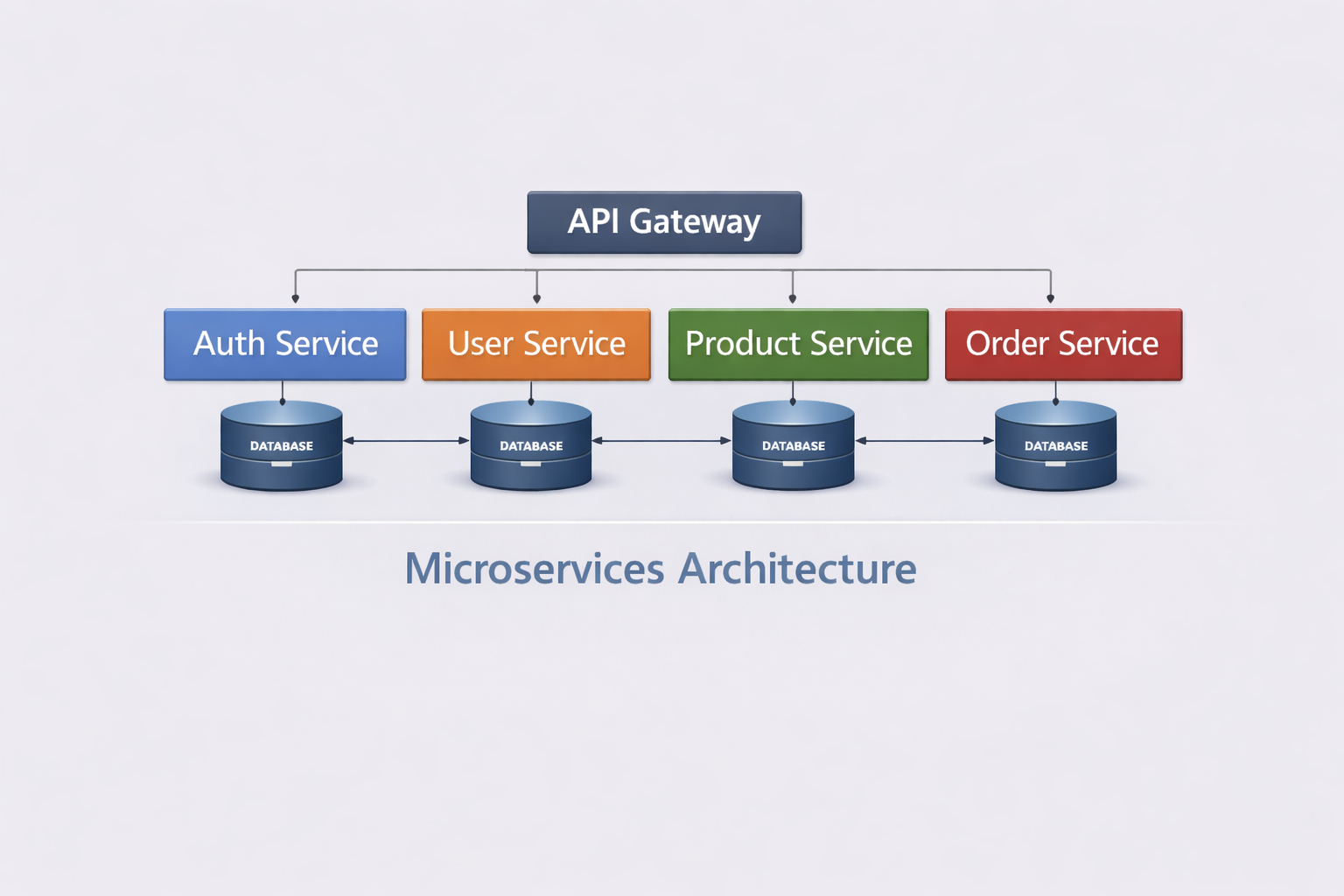
A microservices architecture is commonly employed by developers in order to enhance scalability. Microservices divide the application into smaller services, which perform a particular function rather than creating a large monolithic system.
Each of the services can be scaled separately. As an illustration, when there is a large amount of traffic on the authentication service, it can be scaled without compromising other segments of the application. This method also enhances flexibility, and the development teams can update features with ease.
Lesson 2: Use Cloud Infrastructure for Flexibility
Modern applications rely heavily on cloud infrastructure because it allows systems to scale quickly without large hardware investments. Cloud platforms provide automatic scaling, high availability, and global distribution. These features are essential for cloud scalability for web apps.
Instead of manually managing servers, developers can rely on cloud services that automatically adjust resources based on traffic. This ensures that the application remains responsive even during sudden traffic spikes. Cloud environments also make it easier to manage backups, monitoring, and system updates.
Lesson 3: Implement Load Balancing
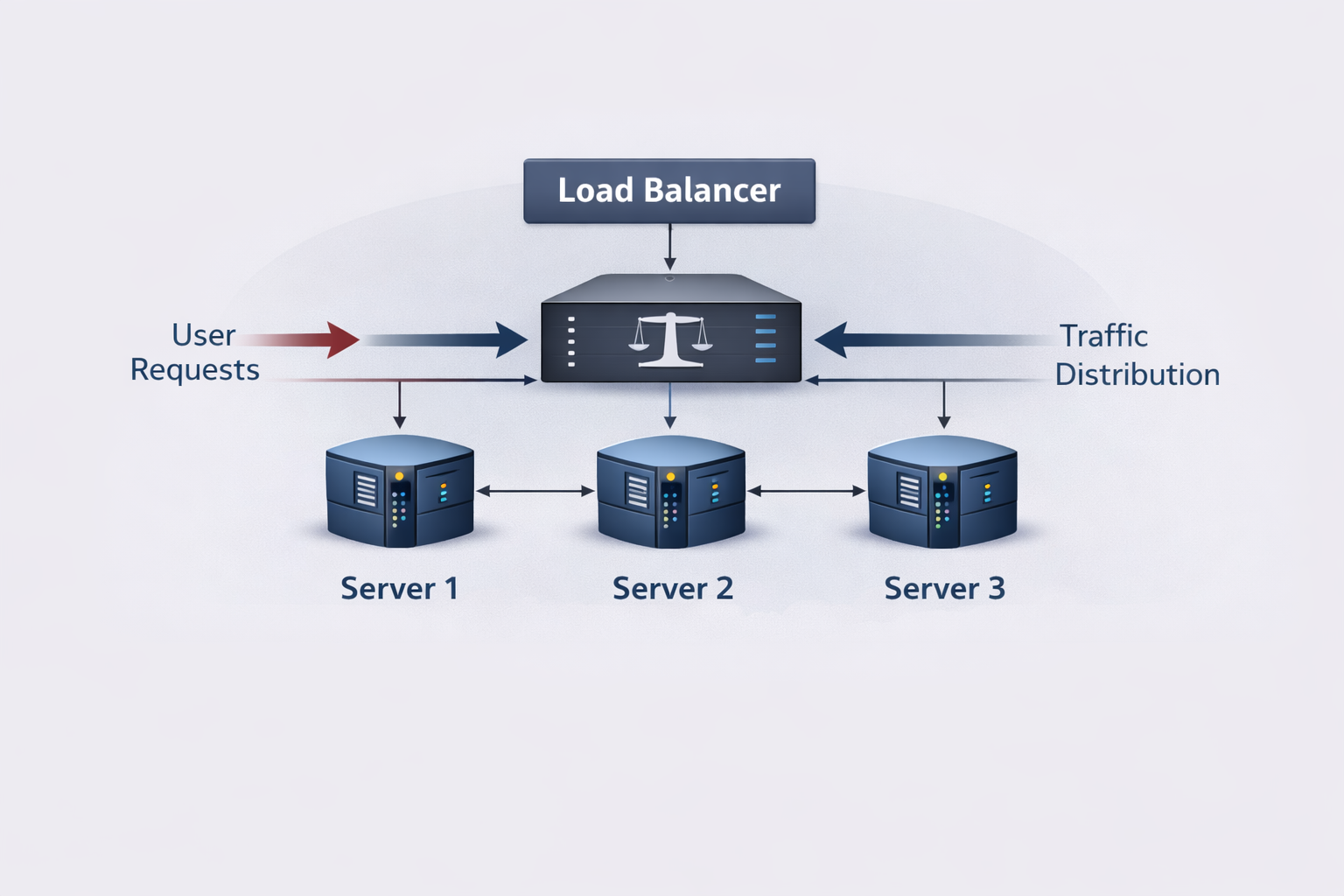
Load balancing is also another significant approach in scaling web application strategies. In a situation where numerous users are using a site simultaneously, there should be a distribution of the requests over more than one server. Load balancing maintains uniformity in the overloading of one server. It equally allocates traffic over available resources, a factor that enhances performance and reliability.
The failure of one server can lead to downtime and a poor experience for users without load balancing, because when there is high traffic, that server can crash. Load balancers can also be used to ensure high availability in case one of the servers goes down.
Lesson 4: Focus on Web Application Performance Optimization
Performance is a critical factor in high-performance web applications. Even if an application can scale, slow performance can drive users away. Developers must focus on web application performance optimization by improving response times and reducing unnecessary resource usage. Some common performance improvements include:
- Optimizing images and assets
- Using caching systems
- Reducing server response time
- Minimizing database queries
These improvements help ensure that applications remain fast and responsive as traffic grows. Fast applications also improve search engine rankings and user satisfaction.
Lesson 5: Build a Scalable Backend Architecture
The backend is important in application scalability. An efficient, scaled back-end architecture will provide a solution that ensures data processing and business logic are efficient even when operating with heavy loads.
The backend systems must be built with a horizontal scaling option that implies the addition of additional servers rather than increasing the capacity of a single server.
Horizontal scaling is more adaptable and reliable since there is an option of adding more servers at any given time when the traffic demands more servers. Distributed systems are also a part of many modern systems, in which other services interact with each other on multiple servers. The strategy assists in enhancing the performance and stability of the systems.
Tips for Building Scalable SaaS Applications
SaaS platforms often experience rapid growth, making scalability even more important. Some useful tips for building scalable SaaS applications include:
- Design a flexible system architecture
- Use cloud-based infrastructure
- Automate scaling processes
- Optimize database performance
- Implement strong monitoring tools
By following these practices, SaaS companies can build reliable systems that support long-term growth.
Best Practices for Scaling Modern Web Applications
Developers looking for best practices for scaling modern web applications should focus on building flexible, modular, and efficient systems. Key best practices include:
- Designing modular architectures
- Using microservices when appropriate
- implementing caching and load balancing
- leveraging cloud infrastructure
- Planning database scalability early
These practices help create systems that can handle growth without sacrificing performance.
Conclusion
Scalability is essential for modern digital products as user demand continues to grow. The key lessons learned from building scalable web applications show that strong planning, efficient scalable web architecture, and modern technologies are critical for success.
By following proven web app scalability best practices, companies can build reliable and high-performance systems that support long-term growth and better user experiences.
Ready to scale your web app for 2026? Connect with NanoByte Technologies today to scale your operations and unlock new opportunities with AI, automation, and data-driven strategies!
.jpeg)

.jpeg)
.jpeg)